


Pakistan plans phased removal of duties on used car imports from 2026
 Rabbia Zafar
|
4 hours ago
Rabbia Zafar
|
4 hours ago

The federal government is considering a major shift in its automobile policy that would gradually eliminate duties on used car imports, with the new framework expected to take effect from July 1, 2026.
According to official sources, the draft of the new auto policy is currently being prepared and is in early-stage consultation with the International Monetary Fund (IMF). The proposed plan aims to reduce additional customs duties and regulatory duties on imported vehicles in a phased manner over the next four to five years.
Under the proposal, customs duty rates are expected to be significantly reduced by 2030, marking a long-term liberalization of Pakistan’s vehicle import regime. The policy also suggests that vehicles older than five years may eventually be allowed for import, subject to strict safety and environmental compliance standards along with required certifications.
Middle East Tensions Shift Shipping Routes Boosting Gwadar Port Importance
Officials said the government intends to finalize the draft within the current month, after which further discussions with the IMF will continue. The policy is expected to be presented to the federal cabinet for approval next month.
The initiative is part of broader reforms being undertaken by the Ministry of Industries and Production aimed at improving transparency, reducing tariffs, and increasing competition in the auto sector. From fiscal year 2027 onward, additional duties may be reduced by 10 percent annually, and imports of vehicles up to seven years old could also be permitted after that period.
In parallel, the government plans to introduce stricter safety regulations for locally manufactured vehicles under the proposed Motor Vehicle Development Act, which will be tabled in parliament for approval.
Meanwhile, IMF Managing Director Kristalina Georgieva has acknowledged Pakistan’s ongoing reform efforts, noting progress in macroeconomic stability and improved investor confidence during a meeting with Finance Minister Muhammad Aurangzeb at the IMF–World Bank Spring Meetings in Washington, DC.
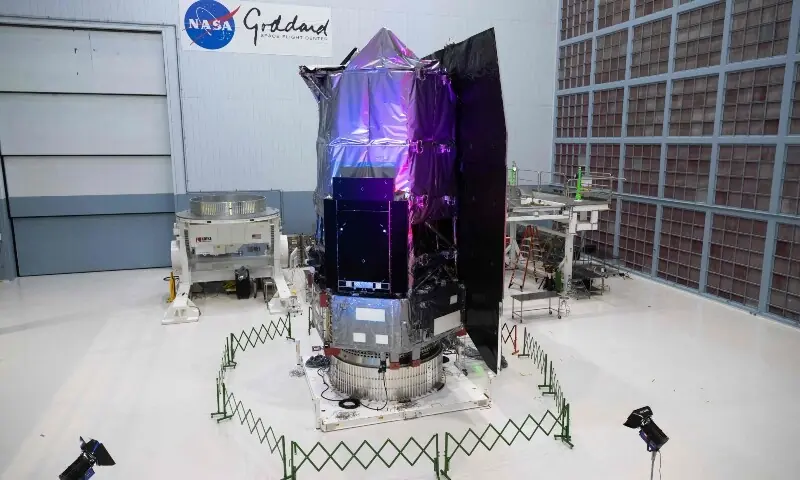
NASA unveils powerful Roman telescope for deep space exploration
Pakistan freelancers drive surge in IT export earnings

PSX remains volatile as investors await Iran US talks outcome

Sindh suspends board officials amid cheating and exam leak probe in Karachi

Oil prices surge nearly 5% as Iran tensions shake global markets
UAE envoy says country does not need external financial support



54 minutes ago

59 minutes ago

1 hour ago
1 hour ago

2 hours ago
3 hours ago
- The NASA has unveiled its latest space observatory, the Nancy Grace Roman Space Telescope, designed to explore distant planets and…
- The United Arab Emirates’ ambassador to the United States, Yousef Al Otaiba, has stated that the UAE does not require…
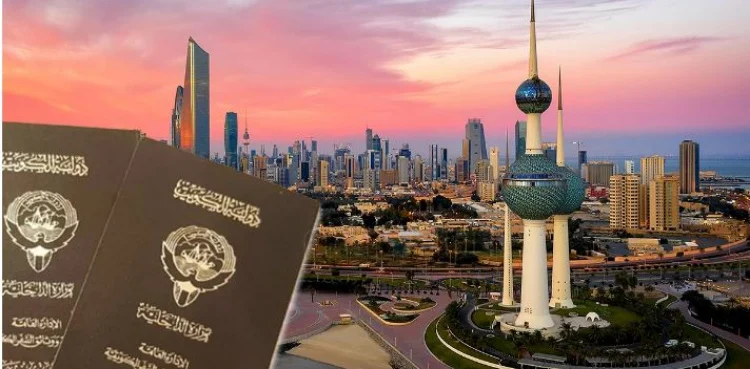
- Kuwait has issued two new government decisions revoking citizenship from 172 individuals as part of an ongoing national review of…
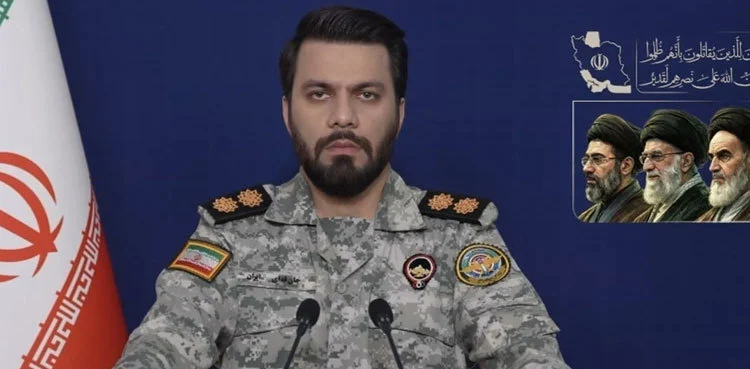
- Iran’s military has issued a strong warning to the United States and Israel, stating that any act of aggression against…
 Pakistan’s second national anti-polio campaign of 2026 is continuing across the country, with efforts now in its sixth day as…
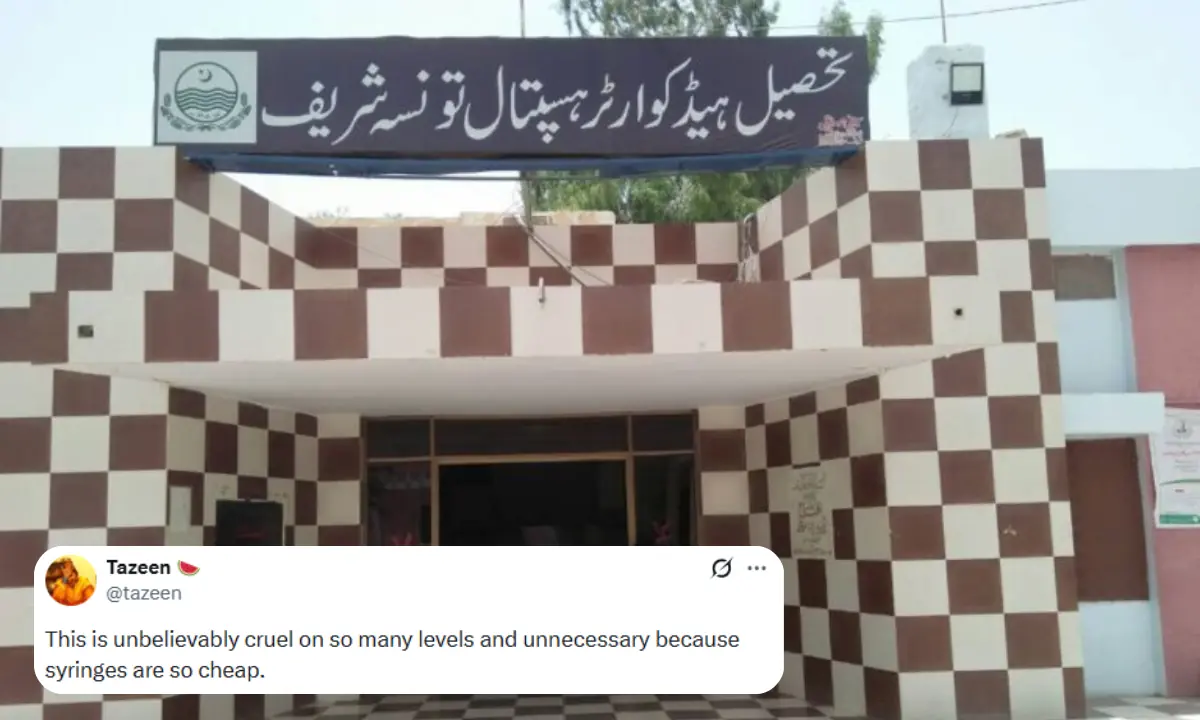
 A shocking report by BBC has triggered nationwide outrage in Pakistan after alleging severe medical malpractice at a Tehsil Headquarter…
 Pakistan’s second National Anti-Polio Campaign of 2026 is continuing across the country with full momentum, as health workers aim to…
 A new case of monkeypox has been reported in Karachi, raising fresh concerns among health authorities in the city. According…





- The NASA has unveiled its latest space observatory, the Nancy…54 minutes ago
- Pakistan’s information technology sector continues to show steady growth, with…59 minutes ago
- The Pakistan Stock Exchange (PSX) showed a fragile and directionless…1 hour ago
- The Punjab government has decided to establish a Punjab Film…1 hour ago